Preventing the return of Tuberculosis
We are exploring how to a course of preventive antibiotics after successful treatment can prevent disease recurrence and how this could be targeted at those who would benefit most.
Why recurrence matters?
Can secondary prevention change the future?
Smarter care through risk prediction
Using innovative diagnostics to identify those most at risk and target prevention where it is needed most. Fight recurrent tuberculosis using preventative remedies.
Turning evidence into policy action
Working closely with national TB programmes and health authorities, RECENT-TB aims to provide the evidence needed to strengthen guidelines and improve post-treatment TB care across high-burden settings.
2026 – 2030
Uganda & South Africa
Global Health EDCTP3
National TB programmes
Why recurrence after TB treatment matters
Every year, around 1.5–2 million people in sub-Saharan Africa are treated for TB. Of those successfully treated, around one in ten suffer a relapse or reinfection within two years.
Although these patients represent around 5–30% of the global TB burden, they receive relatively little attention.

RECENT-TB aims to change this reality.
Rethinking Prevention After TB Treatment
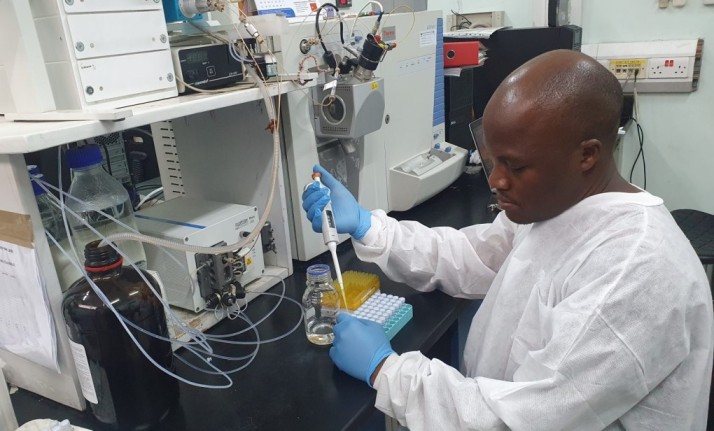
We are carrying out a large-scale trial of secondary preventive treatment of TB in two high-burden settings, South Africa and Uganda, while also evaluating the implementation context and the potential of various simple tests to identify patients at the highest risk of recurrence.
A point-of-care test for inflammation based on a fingerprick blood sample.
of the secondary preventive treatment (isoniazid plus rifapentine, known as 3HP) will be given to half of the participants.
participant follow-up after enrolment to determine its impact on recurrence.
implementation design to assess the feasibility and acceptability of secondary preventive treatment.
Rethinking Prevention After TB Treatment
We are carrying out a large-scale trial of secondary preventive treatment of TB in two high-burden settings, South Africa and Uganda, while also evaluating the implementation context and the potential of various simple tests to identify patients at the highest risk of recurrence.
A point-of-care test for inflammation based on a fingerprick blood sample
of the secondary preventive treatment (isoniazid plus rifapentine, known as 3HP) will be given to half of the participants.
participant follow-up after enrolment to determine its impact on recurrence.
implementation design to assess the feasibility and acceptability of secondary preventive treatment
Evaluating four potential risk markers for recurrence
The project will collect data on these markers to determine if they are predictive of recurrence.
A point-of-care test for inflammation based on a fingerprick blood sample.
01
A point-of-care blood fingerprick test, which detects anaemia, a risk factor for TB.
02
Computer-aided interpretation of chest X-ray images to detect abnomalities.
03
A molecular assay that detects RNA from TB bacteria.
04
A point-of-care test for inflammation based on a fingerprick blood sample
01
A point-of-care blood fingerprick test, which detects anaemia, a risk factor for TB.
02
Computer-aided interpretation of chest X-ray images to detect abnomalities
03
A molecular assay that detects RNA from TB bacteria
04
Evaluating the potential use of TB-MBLA to diagnose recurrence
The project will embed a study to evaluate the potential use of TB-MBLA to diagnose recurrence. A case–control approach will be used, with TBMBLA data on participants with recurrence compared with data from participants in the same cohort who remained healthy.
The diagnostic performance of TB-MBLA will be compared with goldstandard culture methods (Xpert Ultra).
Stakeholder and Community partnership
Ensuring patient-centered research, active community engagement, and broad global impact throughout the RECENT-TB trial.
Key community stakeholders relevant to RECENT-TB are engaged throughout the project using established local structures.
Community Health Workers support participant tracing, provide ongoing patient support and conduct home visits.
Study results will be published in openaccess journals and presented to key global and national health authorities.
Capacity Strengthening & Knowledge Exchange
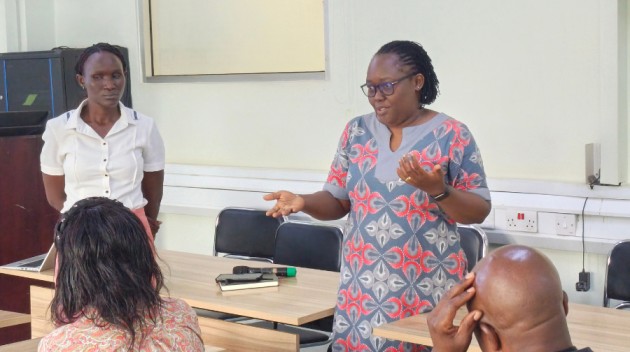
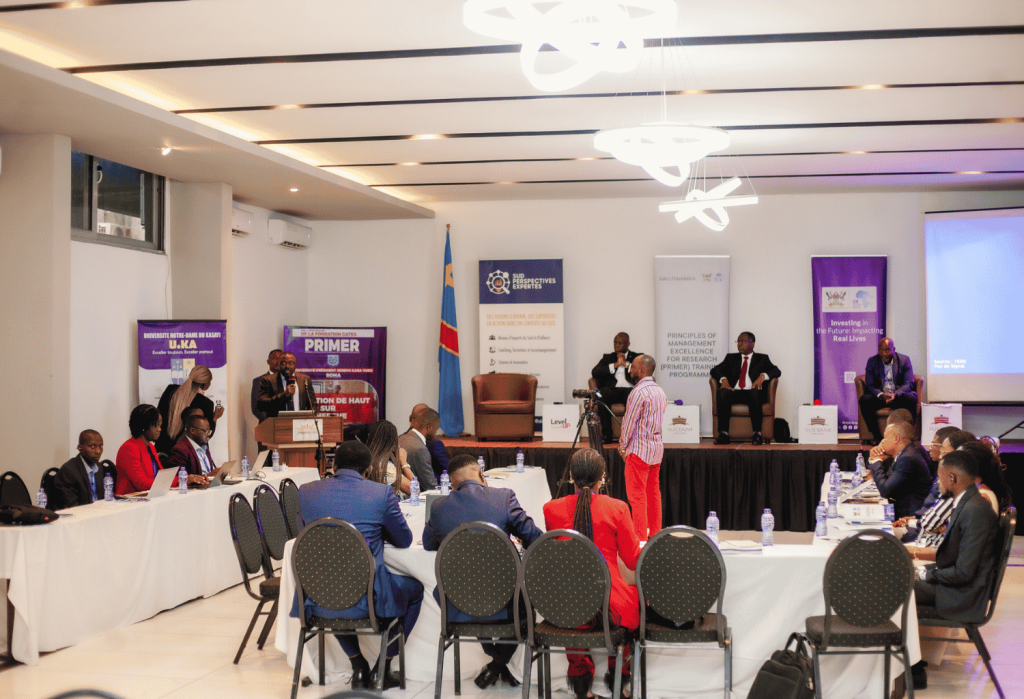
Beyond its primary clinical and diagnostic objectives, the RECENT-TB project is dedicated to strengthening long-term scientific, clinical, and operational capacity within high-burden settings in South Africa and Uganda. This ensures sustainable impact that extends far beyond the study duration.
Team leadership
A multidisciplinary team of researchers, clinicians and public-health experts working at collaborating institutions.
Follow Us on X.